Integration – the power of ‘and’ . . .

I doubt that there are many who do not have at least some memories of special times and special people that carry a ‘but’.

The last couple of years have, for me, brought a steady drip of challenges, including grief and loss. There have also been many new experiences, as well as old memories, to feed joy and growth. For a while, though, I have struggled with those ‘buts’. “It was a lovely day, but then . . .” Perhaps someone got annoyed, or there was physical pain, or something else that added a darker tinge to the ‘perfect day’. Or maybe the memory of a person I genuinely loved sits uncomfortably alongside those aspects that often made them difficult to live with.

Replacing ‘but’ with ‘and’ – integration not polarities

What I have realized is that the moment you replace ‘but’ with ‘and’, everything changes. AND allows us to embrace and integrate the richness of all aspects of a person or an experience as part of the wondrous weave of life. Instead of something that feels polarised and conflicted, there is an awareness of an underlying wholeness.

Buddhist and Taoist perspectives on suffering

I’ve never felt comfortable with the Buddhist view of suffering as the central condition of existence, something from which we need to liberate ourselves. It’s always felt like a rejection of an inherent part of living. Even as a teen, Taoism’s view of suffering as being the result of resisting the natural flow of the universe resonated much more readily with me. It’s not that you don’t feel pain or loss, but you cultivate an ability to be with them, integrate them and let them go to be absorbed into the currents of your living.

Metaphor: Buddhism is like diagnosing and untangling an internal knot of thought; Taoism is like stopping your effort to forcefully push a river and simply floating.

Focus of Observation: Buddhism looks inward to dissect the mechanics of the ego and mind; Taoism looks outward to align human rhythm with the larger pattern of nature.

Ultimate Frame: Buddhism seeks an escape or release from cyclical existence (Samsara); Taoism seeks deep, tranquil integration with life right where you are

Google AI

As I write, that word ‘integration’ keeps rising to the surface. It is also at the core of what I am working with as I age into elderhood. It feels to me that one of the key tasks of this stage of life is to bring together and integrate all of one’s experiences.

Non-duality

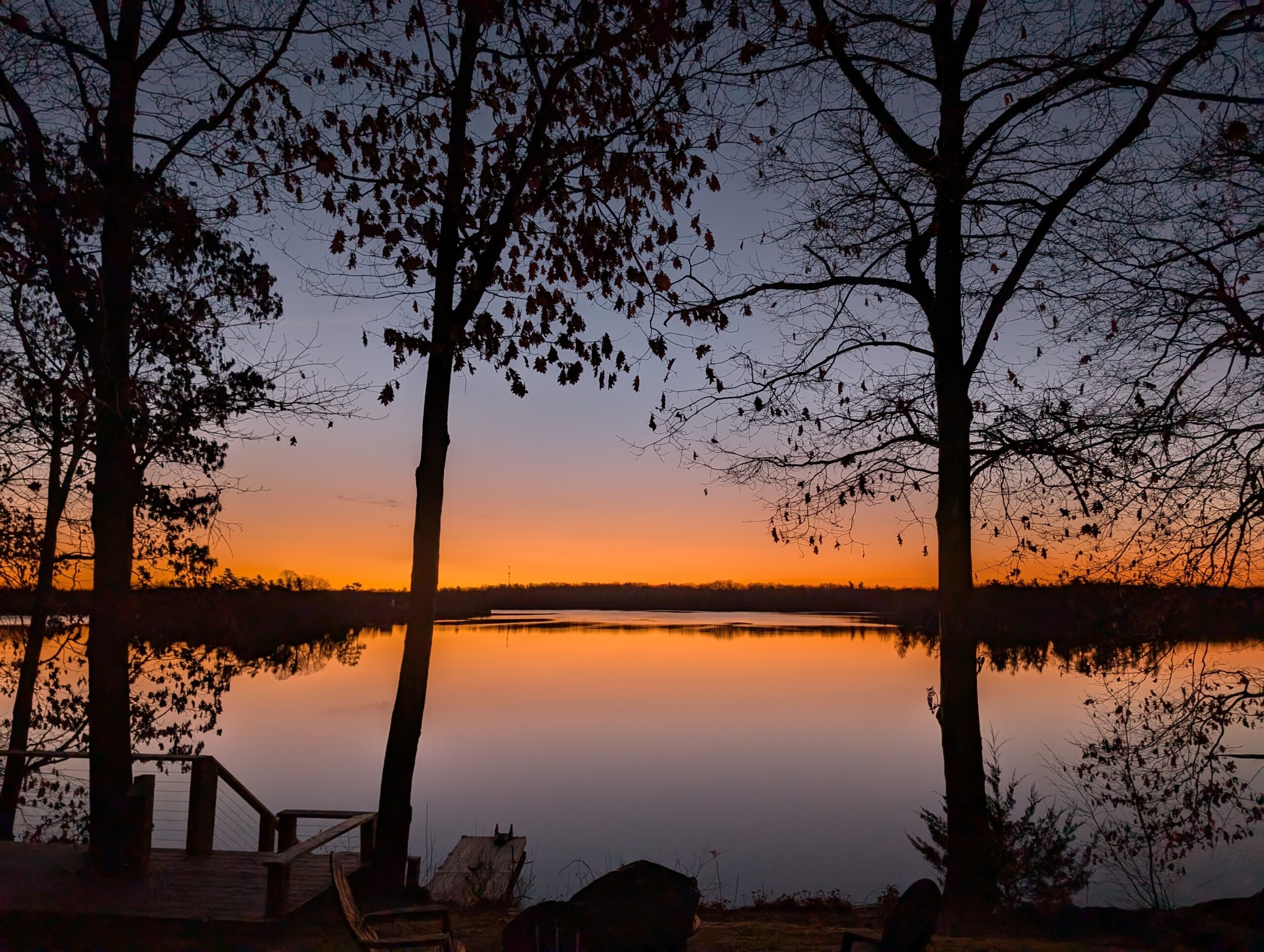
Day’s stored riches
spread gilding light
and paint the evening sky
in vivid hues
that gentle
into shadow,
then to night.

Night’s inky black
fades to grey,
colours seeping
then flooding back
till light explodes
and day
reclaims the world.
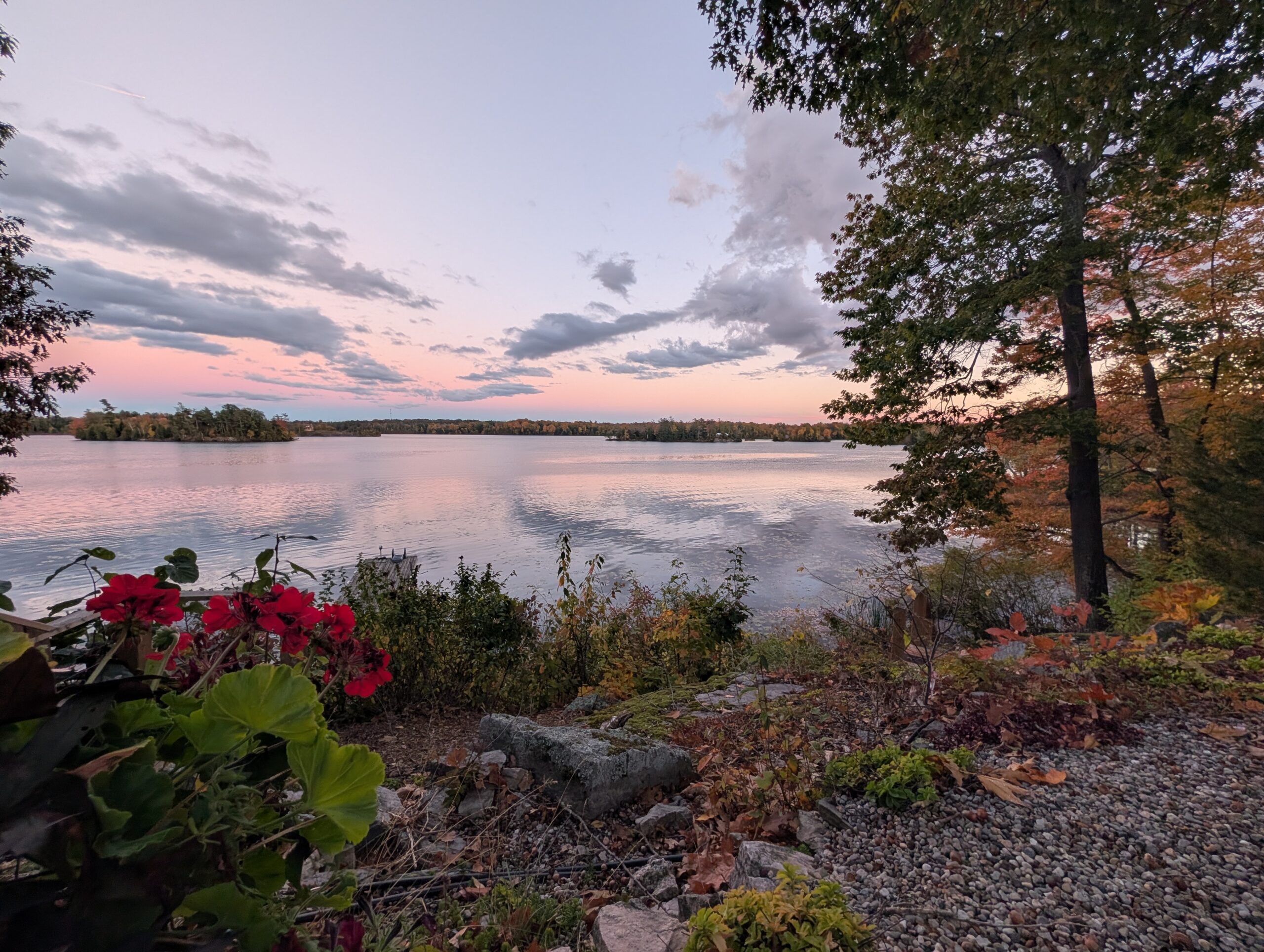
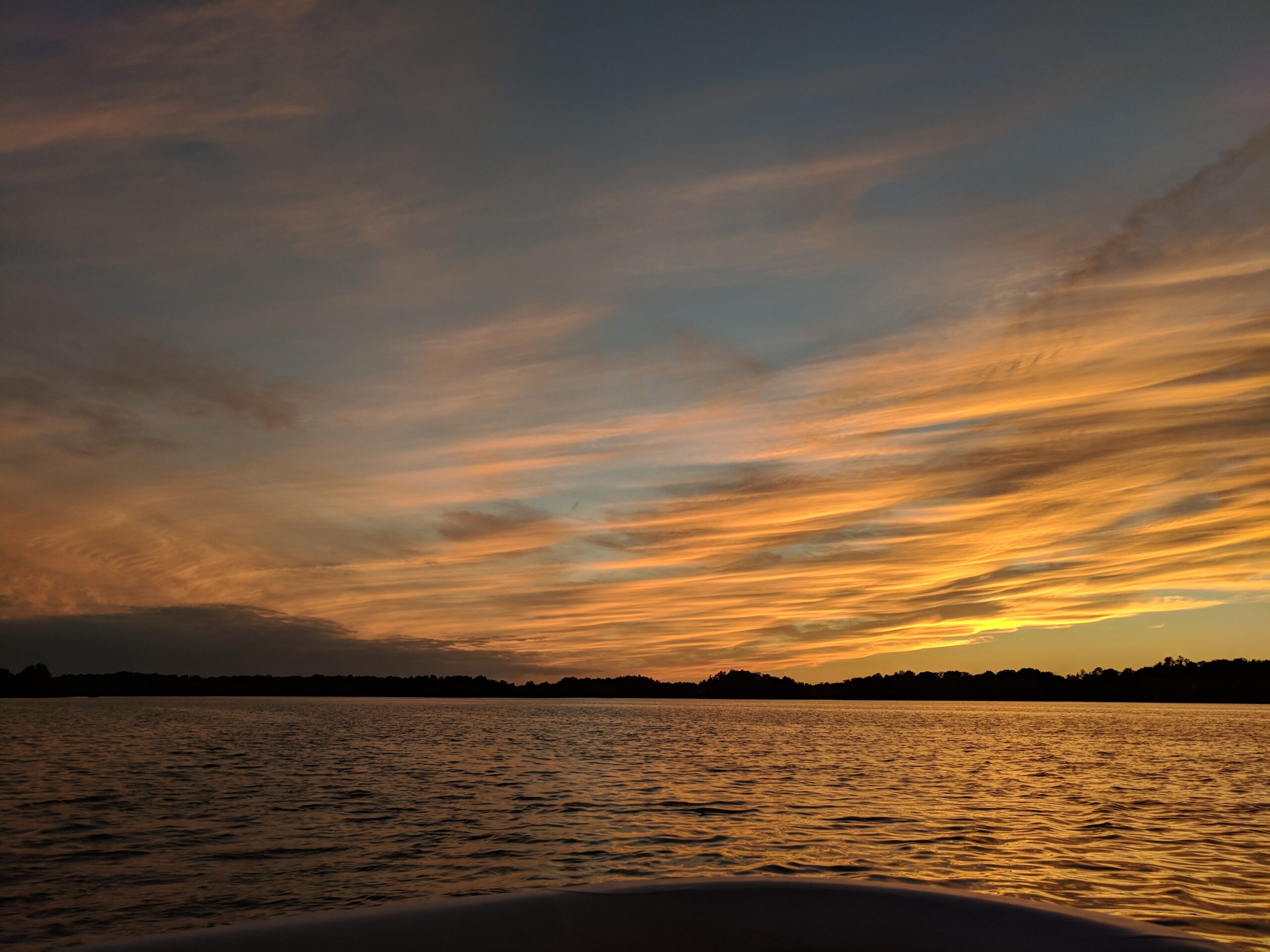
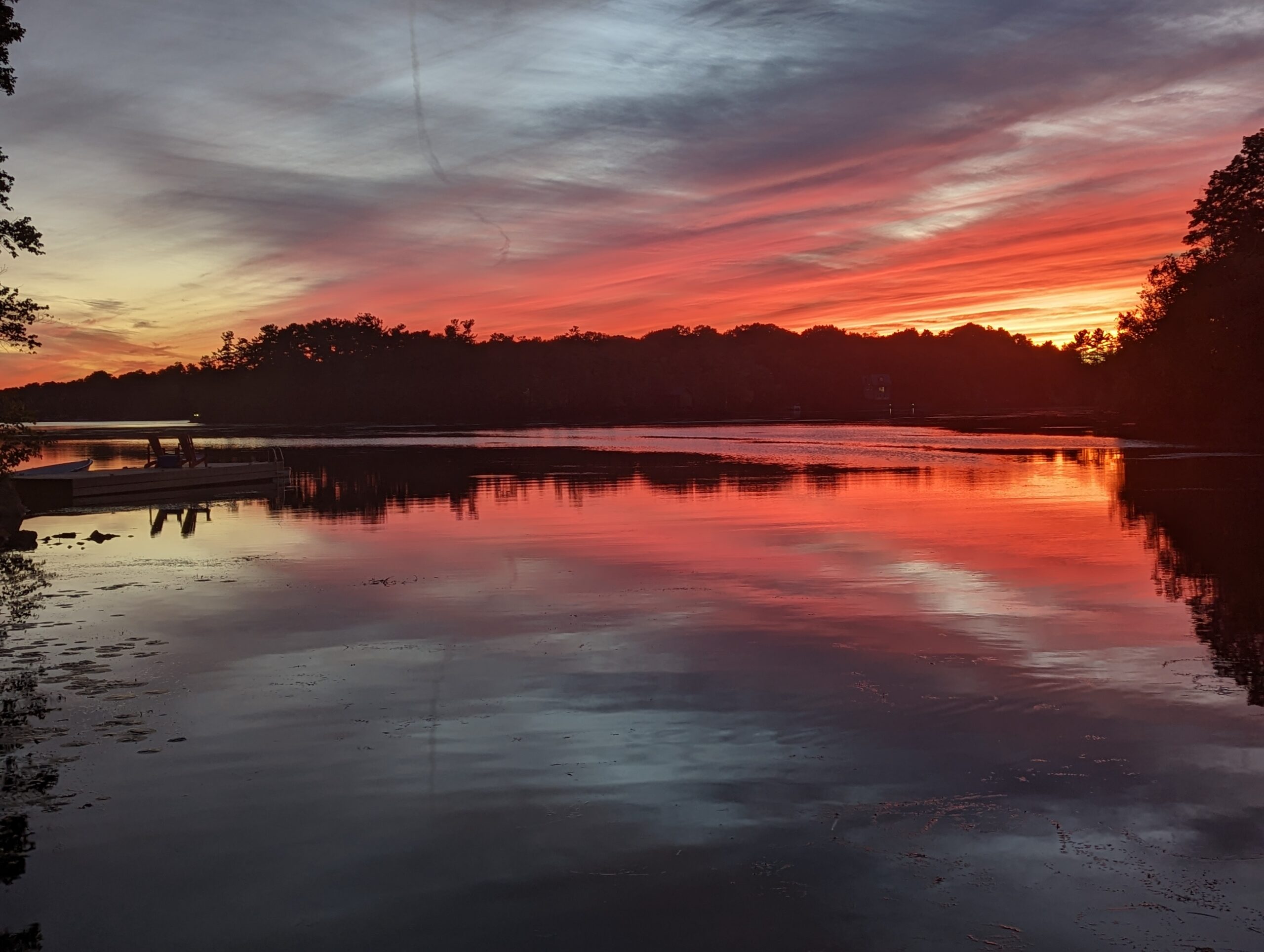
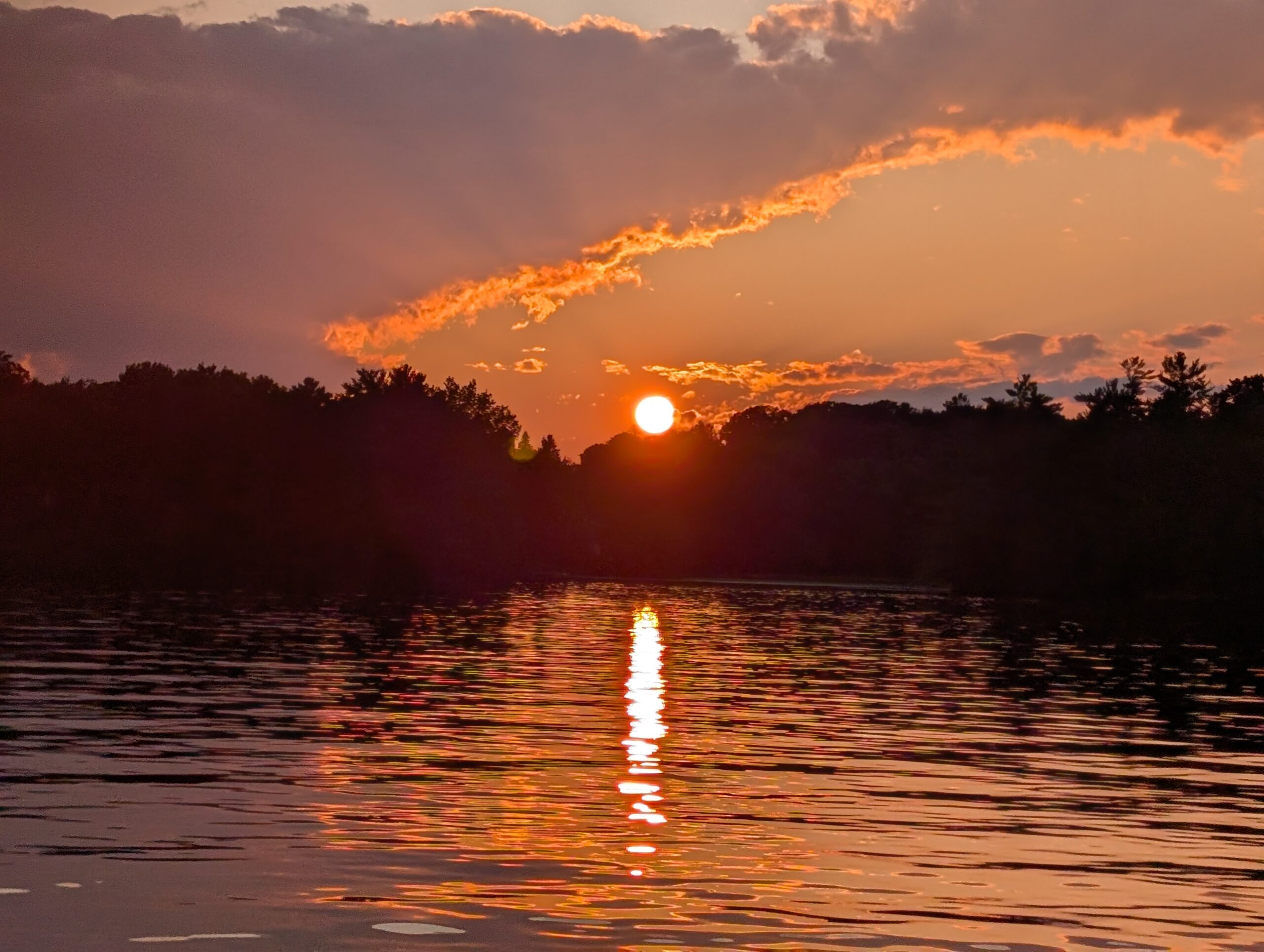
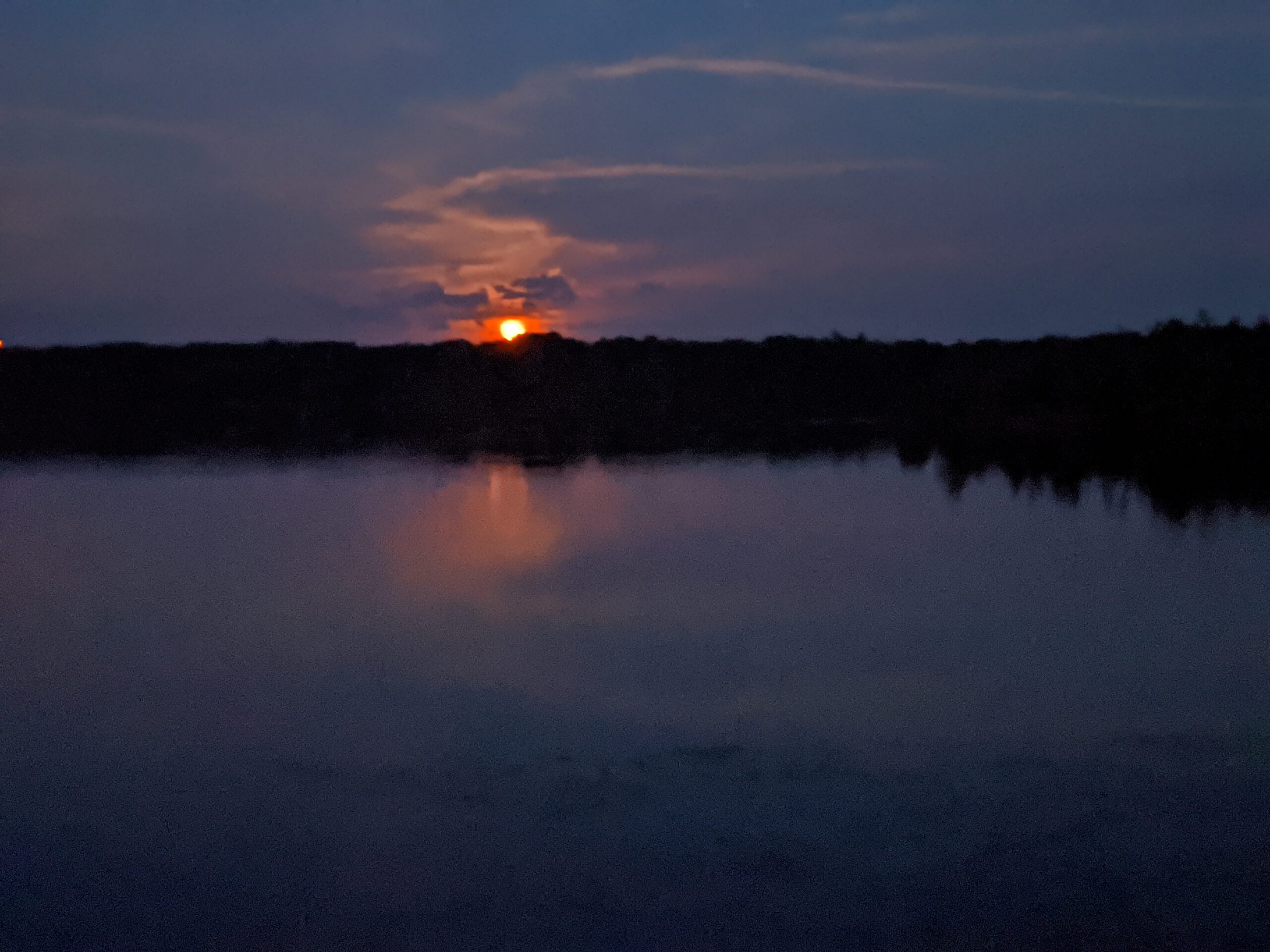
I think the importance of ‘and’ is that it implies wholeness rather than separation. Day and night exist on a continuum, are not a duality. And both are part of that larger pattern of all that is.

Honouring the whole

Every individual has strengths and gifts. They also have weaknesses and challenges of body and temperament. None of these alone reflect their human beingness. All the shadings and strands weave together to form a unique whole. In remembering those we love who have ‘become ancestors’, there is a need to integrate the good and not so good memories, to find an honest but compassionate acceptance that recognizes, celebrates and honours all that they were in this life.

Of course, this is learning that we can and ideally should apply to each person we encounter and to ourselves, as well as to the joys and pains with which life gifts us. That’s how we align our human rhythm to that larger pattern. It is important to remember, though, that this a process that requires attention, space and patience. It is not an instant ‘fix’.

Integration

Imagine a tapestry that only has access to pale shades. Now add in some darker threads. It’s not that the pastel piece is without interest. But those blacks, midnight blues, wine reds and more add depth and richness to the whole. You need access to the whole palette. Pain and grief do not disappear. However, when we are able to embrace then release them, to integrate them, then ultimately, with time, they enrich and expand our living and being.

Ice Storm

The trees are freighted with the accretion of ice; branches that normally spread above our heads are bowed with heaviness, fingering the surface of the skating pond. Crystal coated grass, each blade distinct, and branches held in thrall create a crunching, crinkling, eerie cascade of sound.

Beauty and brutality in equal measure – there is real destructive power in this slow layering of ice on ice.

I am reminded that if we encase ourselves in a brittle, rigid shell – of pain, of grief, of pride or anger – we are more, not less, likely to be broken.

Poetry in Nature – the book

I have just launched a small book, Poetry in Nature, which includes musings, poetry and images on the themes of transformation, connection and more in both inner and outer worlds.

In the first half of 2018, it was a delight to explore the rich territory of nature and poetry with Mary Lou van Schaik and my fellow wanderers during the course Nature’s Poetry

This was a lovely opportunity to connect with nature in a very focussed way. It also reconnected me with reading poetry and with my own poetic impulse. This in turn became something of a deep meditation on the transition between winter and spring.

After the course, a dear friend who had enjoyed some of my writing that emerged from it, asked ‘where’s the book?’

So I honoured what had felt to be a truly special experience for me by drawing together and slightly re-editing many of the posts and poems that I have already added to my Passage to Joy blog. These now form a slim volume, available from Blurb.

The book brings together poetry, musings and images around the themes of nature, connection, transformation, stewardship and more.

Image of book 'Poetry in Nature' on Blurb

The interconnectedness of all

Murphy’s Point; an overcast, eerily still autumn day. Our woodland walk, unbidden, becomes a meditation on the interconnectedness of all things.

Living rock, underpinning, defining, evolving so slowly that we perceive only inertia and stasis. Each metamorphic striation has a distinctive character, encourages colonization by different trees and plants. These, in turn, support specific populations of insects, birds, reptiles and mammals.

Rock and beech trees at Murphy's Point

To walk through these micro-zones mindfully is to experience the web of life, woven in wonder!

Flakes of mica dust glitter along the path to the old mine . . .

Human habitation was defined first and foremost by the bounty of the earth. Whether in the fecundity of fertile loam in which to harvest wild plants or cultivate crops or in veins rich with mineral wealth, our lives too are shaped by rock; by what lies within and by that to which it gives life.

I am awed by this deep knowing of my own rootedness in the very fabric of the earth!

In our increasingly urbanized world, we set great store by ‘independence’. Surely it is no coincidence that depression and anxiety are so pervasive when so many of us live so distanced from the pulse of life; our disconnection leaches colour from our internal worlds, rendering us so very alone.

Trees at Thanksgiving

Here stand beech and maple
arms outstretched
to cradle the embers of summer
that fall to the forest floor,
blanketing it in red and gold
against the winter cold.

Here groves of hemlock,
limbs hung low
to cherish the memories of darkness
that cling to swampen ground,
sheltering it from light and chill,
comforting, peaceful, still.

               ~ October 8, 2018 - Thanksgiving Day
A typical Ontario view at Murphy's Point; Shield Rock, trees and water

‘I see you’ – a path to intimacy with self and others?

We can neither see ourselves as a whole, nor can we truly conceptualize that in ourselves which experiences. The answer to the question ‘Who (or what) am I ?’ is by its nature a koan*. But perhaps it is a profound act of self-love to be able to affirm our emotions, our joys, our pain (emotional or physical) with the simple words ‘I see you’, without latching onto them and giving them power over us.

That loving acknowledgement can release the threads of attachment that so often ensnare us. It can enable us to own our darker thoughts and feelings, our shadow selves. We can experience what is as ‘real’, but within the context of the transience of all things. We can embrace the things we perceive as difficult or challenging and let them pass. We can also accept life’s gifts without clinging to them – these too will pass, yet the fact that we have experienced them will not.

One of the greatest desires of every human being is the longing to be seen . . . this is the miracle of love and friendship. (John O’Donahue in Four Elements)

It seems to me that when ‘I see you’ begins to permeate our way of being, it underpins all interactions. It is the grounding space that anchors each human encounter. We find it easier to enter the powerful place of deep receptive listening.

It is also the loving recognition of each creature, great or small, that crosses our path.

‘I see you’ directs us to the wellspring of love.

Unless you see a thing in the light of love, you don’t see it at all. (Kathleen Raine)

* koan – a paradoxical anecdote or riddle, used in Zen Buddhism to demonstrate the inadequacy of logical reasoning and to provoke enlightenment


Water lily

Who am I?

‘I am’, cries the wind . . .
the song that stitches together
the seams of my life,
its melody
a ribbon running through it.

Crackling flames 
feed the fires of passion,
compel me forward,
agonized and exultant
and alive.
But it is in the still,
red coals
at the heart
of the fire
that wisdom lies.

Feet, firmly planted,
dig into the earth,
skip over fields
and frozen puddle-drums
and hot sand.
Odd that it is in
the dynamic of dance,
as my feet
leave the ground,
that I put down roots.

Held in the flow,
luxuriously floating,
buffeted, battered,
water brings me home 
to the self 
that is so much water,
as I learn and become
the depths
of its calm
that is and was and always will be.

‘I am’, cries the wind . . .
and the invisibility of air
surrounds me,
and I know ‘am’
as the invisibility of air . . .

“Who am I?”

July 2018
written during a retreat focused on Awakening Devotion and Heart Wisdom